
It Was “Just a Small Leak”… Until It Wasn’t
Water Travels Farther Than You Think
One of the biggest misconceptions about water damage is believing the visible wet spot represents the entire problem.
Water doesn’t stay put.
It follows gravity, seeps beneath flooring, wicks upward through drywall, spreads beneath cabinets, and finds every crack and cavity inside a home’s structure. Even concrete slabs can retain moisture long after standing water has disappeared.
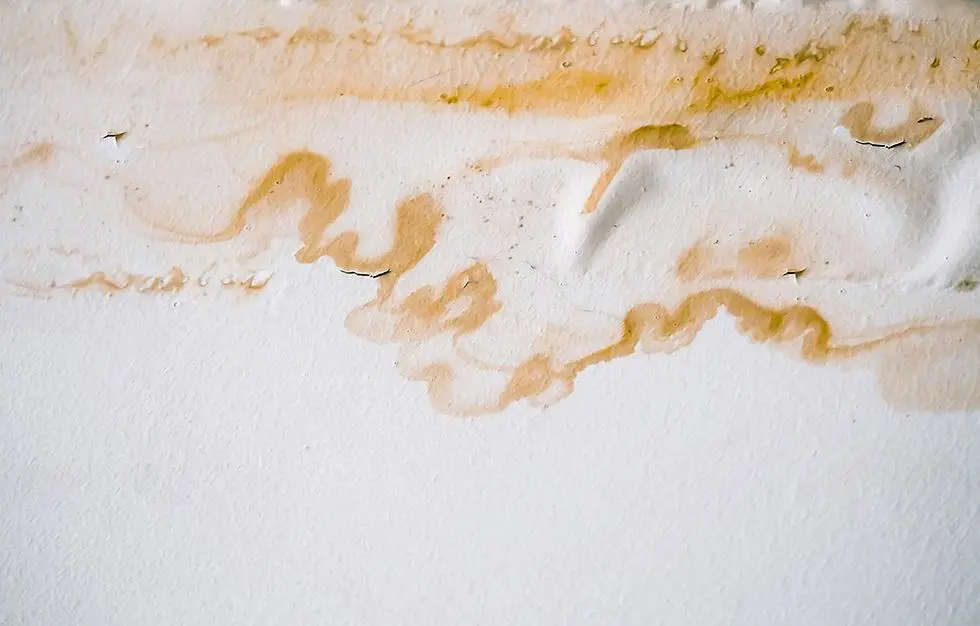
A ceiling stain may only be the visible symptom of a much larger issue hidden above it. Likewise, a wet section of carpet may indicate moisture extending several feet beneath the pad and into the subfloor.
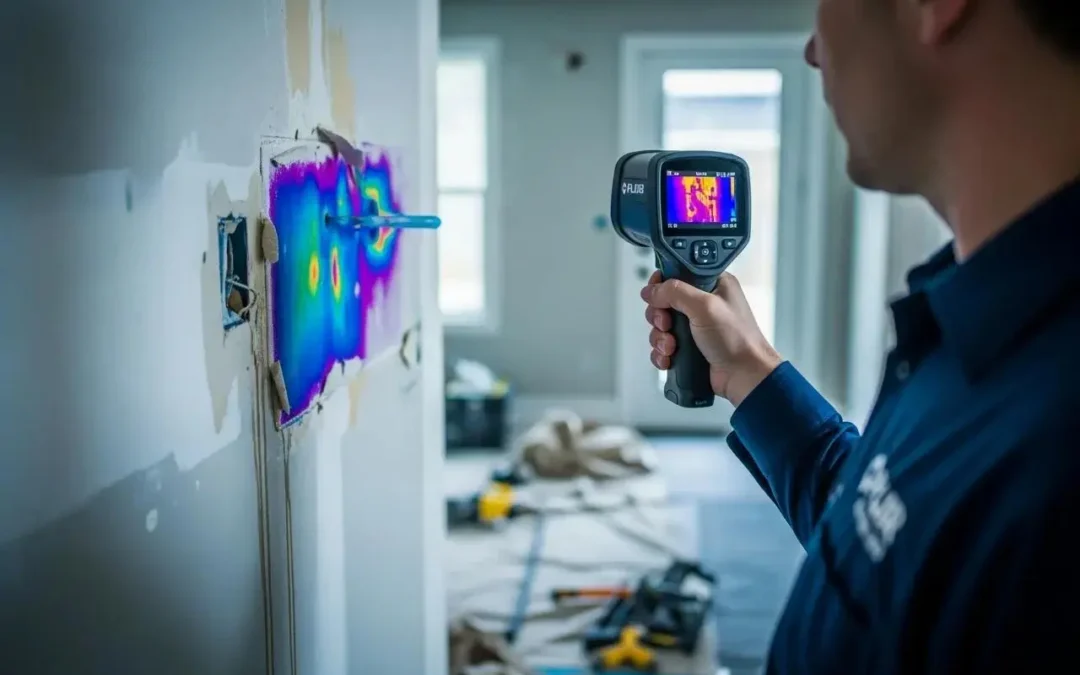
Professional water damage restoration companies don’t rely on what they can see. They use moisture meters, thermal imaging cameras, and structural drying techniques to locate moisture hidden inside the building envelope before it causes additional damage.
Your Shop Vacuum Isn’t Designed for Structural Drying
Most homeowners already own a wet/dry vacuum, fans, or a carpet cleaner.
These tools certainly have their place.
The problem is they only address surface moisture.
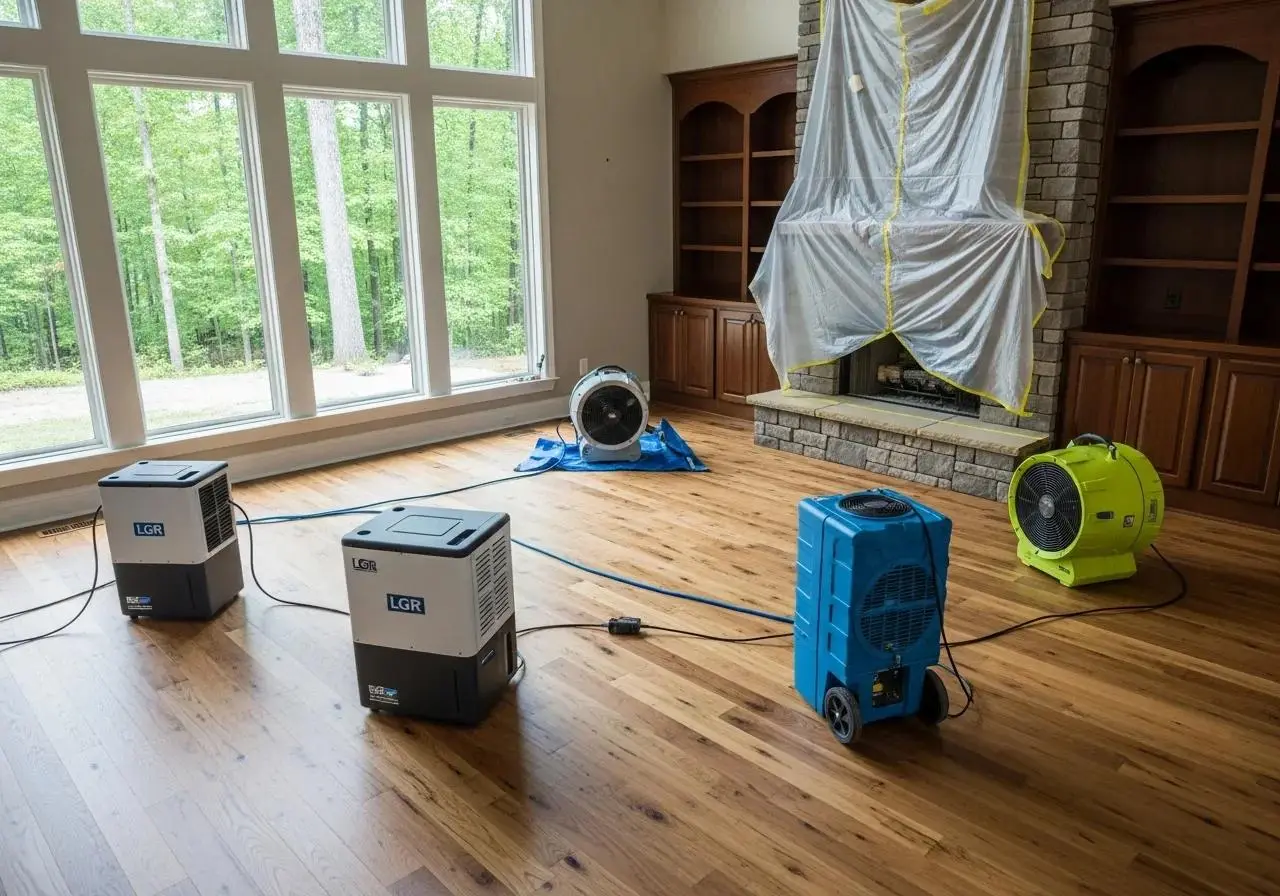
Professional water mitigation equipment is engineered for an entirely different purpose: drying the structure itself.
Commercial water extractors remove significantly more water from carpet and padding than household equipment. High-velocity air movers promote evaporation from building materials, while industrial dehumidifiers pull that moisture out of the air before it can be reabsorbed into surrounding materials.
Without both air movement and dehumidification working together, moisture can remain trapped inside walls, flooring systems, and insulation long after surfaces appear dry.
The Clock Starts Immediately
Water damage isn’t something that improves by waiting until the weekend.
Time is one of the biggest factors determining whether materials can be saved.
According to guidance from FEMA and the Insurance Information Institute, wet materials should generally be dried within 24 to 48 hours to help prevent mold growth. If they aren’t, mold should be assumed to be present until proven otherwise.
That doesn’t mean every water leak instantly creates mold.
It does mean every hour that moisture remains trapped inside a structure increases the likelihood of secondary damage.
Mold Is Only Part of the Story
When homeowners think about delayed water damage, mold usually comes to mind first.
And while mold is certainly a serious concern, it’s far from the only one.
Hidden moisture can also cause:
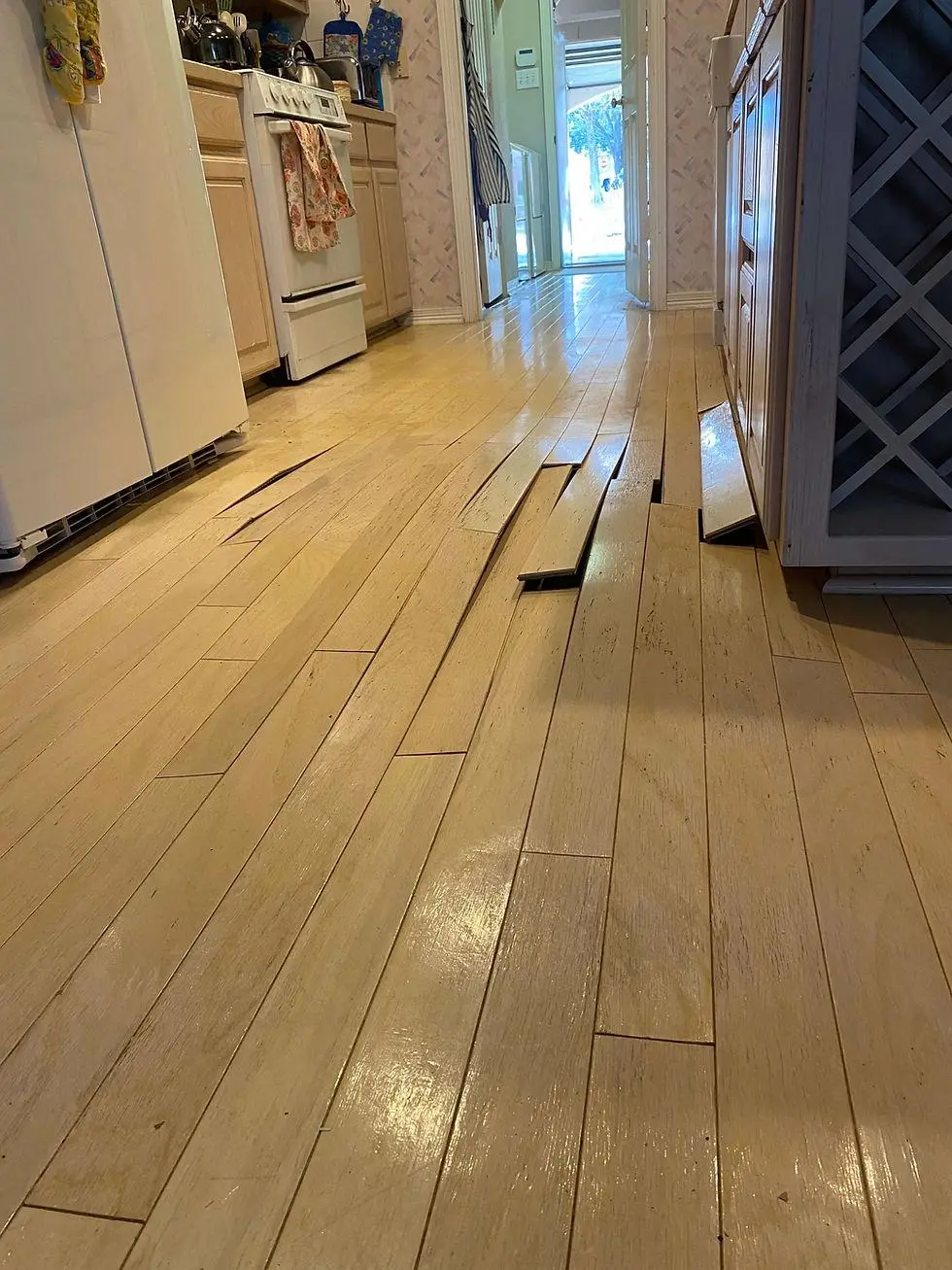
- Hardwood floors to cup or buckle
- Drywall to lose structural integrity
- Baseboards to swell
- Cabinets to delaminate
- Insulation to lose effectiveness
- Paint to blister
- Persistent musty odors
- Wood framing to remain damp for extended periods
Many of these materials could have been preserved through prompt water mitigation.
Instead, they often require complete replacement simply because the drying process started too late.
Insurance Expects You to Act Quickly
Many homeowners assume filing an insurance claim means they should wait until an adjuster arrives before doing anything.
In reality, insurance companies generally expect policyholders to take reasonable steps to prevent additional damage after a covered loss. That includes stopping the water source if it’s safe to do so, documenting the damage with photos, and beginning appropriate mitigation efforts.
Professional water mitigation companies also document moisture readings, equipment placement, drying progress, and photographs throughout the project—documentation that can help support the insurance claims process.
DIY Can Actually Cost More
Trying to save money often makes perfect sense.
Unfortunately, water damage doesn’t always reward the cheapest solution.
Consider two homeowners with nearly identical pipe leaks.
The first homeowner immediately contacts a professional water damage restoration company. Hidden moisture is detected, commercial drying equipment is installed, and most of the flooring and drywall are successfully saved.
The second homeowner rents fans, dries the visible water, and believes everything is fine.
Two weeks later, flooring begins to warp.
A month later, there’s a musty odor.
Several months later, portions of the drywall and insulation require removal due to hidden moisture and mold.
What began as a relatively straightforward drying project has become a reconstruction project.
The difference isn’t the size of the original leak.
It’s how quickly the hidden moisture was addressed.

Protect Your Home Before Hidden Damage Takes Over
The true cost of DIY water cleanup isn’t buying fans or renting equipment.
It’s the damage you can’t see.
Hidden moisture doesn’t announce itself. It quietly spreads behind walls, beneath floors, and inside structural materials until a small water incident becomes a much larger restoration project.
At American Allied Restoration, our emergency water mitigation team uses commercial-grade extraction equipment, moisture mapping technology, thermal imaging, and professional structural drying methods to locate hidden moisture before it becomes hidden damage.
Whether you’re dealing with a burst pipe, roof leak, appliance failure, or monsoon-related flooding, acting quickly can often save your flooring, drywall, cabinets—and thousands of dollars in repair costs.
If you discover water where it doesn’t belong, don’t just dry what you can see. Make sure the rest of your home is dry, too.